Brazil can be a strong “legal base” option for Pakistani remote workers if your file looks stable, verifiable, and consistent.
Most refusals and delays do not happen because people are ineligible. They happen because the money trail looks messy, the route is misunderstood, or documents don’t match.
This Brazil Digital Nomad Guide for Pakistani citizens, in simple steps, highlights the Pakistan-specific risks (NADRA spellings, FBR logic, MOFA sequencing, and the Source of Funds trap).
What is Brazil’s Digital Nomad Visa (VITEM XIV)?
Brazil’s Digital Nomad Visa is commonly processed under the temporary visa category VITEM XIV for remote workers who will work for non-Brazilian clients/employers while living in Brazil.
Brazil’s official consular guidance for VITEM XIV describes Digital Nomads as professionals who can work remotely and intend to live in Brazil under this visa lane.
Who qualifies as a Pakistani applicant?
You qualify if you can prove you work remotely (role and contract/employer/client proof) and you meet the financial threshold with stable, document-backed evidence.
In practice, strong Pakistani files show:
- Stable income deposits (salary/invoices/remittances)
- A clear remote-work story (job title, duties, contract dates)
- Clean identity consistency (passport spelling vs NADRA spellings)
How much money do Pakistani applicants need to show?
A commonly cited threshold is at least US$1,500/month in income OR an available savings balance of at least US$18,000.
Before you rush to “show balance,” remember the realities of Pakistan.
⚠️ Pro Tip (Pakistan Money Trail): Having funds is not enough. Your Source of Funds must be explainable. Sudden deposits right before statements are printed are a classic refusal trigger for Pakistani applicants.
VITEM XIV vs MigranteWeb: Which route should Pakistanis understand?
There are two practical “lanes”: apply via a Brazilian consulate for VITEM XIV, or request residence authorization from inside Brazil under the digital nomad framework (often referenced with MigranteWeb processes).
Here’s the clean comparison for decision-making:
| Factor | VITEM XIV (Consulate – outside Brazil) | In-Brazil Residence Authorization (Digital Nomad framework) |
| Where you apply | From your country of residence (via consulate) | Inside Brazil, under the RN 45 framework |
| What it “looks like” | Visa issuance before travel | Residency authorization workflow after entry/while in Brazil |
| Best for | Applicants who want clarity before travel | Applicants already in Brazil or switching status under the correct rules |
| Key risk for Pakistanis | Incorrect or incomplete consular submission | Missing post-entry compliance steps/address readiness |
💡 Insider Secret: Many “agents” treat these as the same process. They aren’t. Your route choice affects the timeline, submission logic, and what you must prepare after arrival.
What documents usually matter most 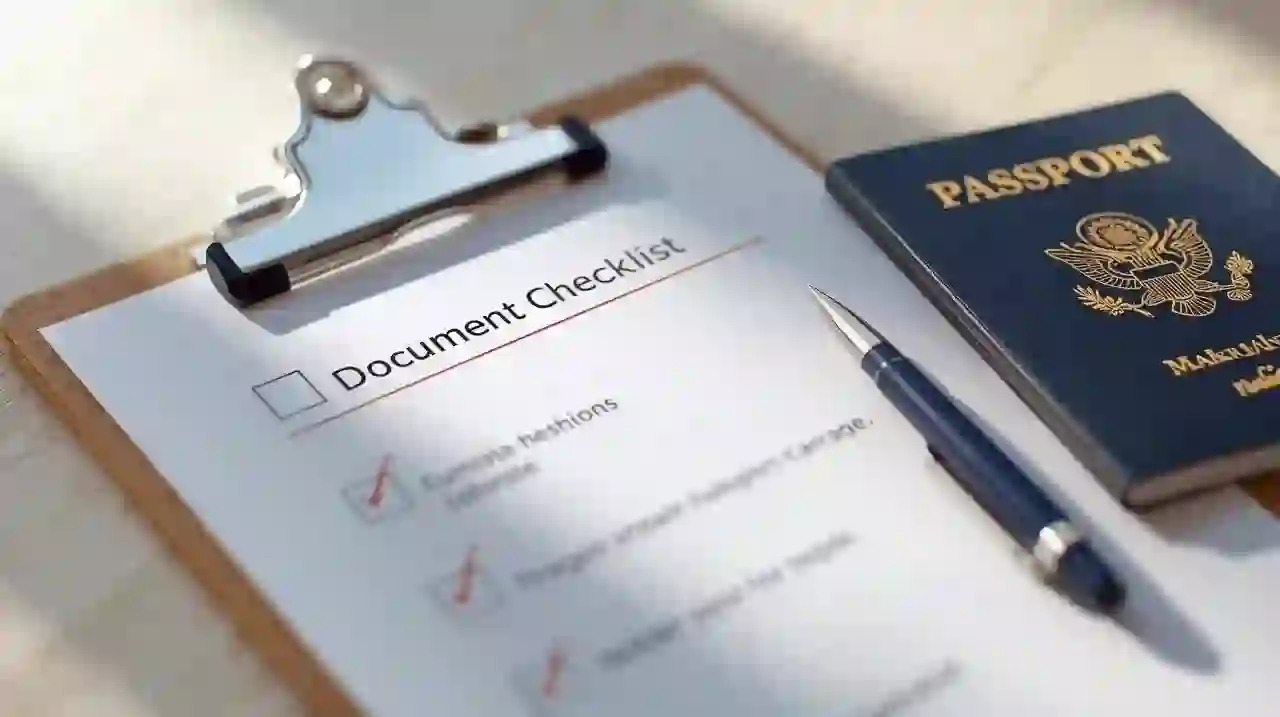
The highest-impact documents are those that prove remote work, stable finances, and identity consistency, because these factors determine credibility.
Start with the core credibility set:
- Remote work proof: contract/employment proof and role clarity
- Financial proof: bank statements and evidence that deposits match your claim (salary/invoices/remittances)
- Insurance: consulates commonly ask for proof aligned with your travel/stay logic
⚠️ Pro Tip (MOFA & sequencing): If you need attestations/translations, the order matters. Pakistani files get delayed when people legalize the wrong version (old wording, incorrect names, wrong dates).
The #1 refusal trigger for Pakistanis: Sudden deposits
Sudden deposits can make your funds look “arranged,” even when the money is genuinely yours.
To protect your case:
- Show regular credits tied to your contract/invoices
- Avoid last-minute “balance topping.”
- Write a clean Source of Funds explanation (salary, invoices, remittances—backed by proof)
After you enter Brazil, don’t ignore registration (CRNM)
If you hold a temporary visa or a residence authorization, you typically need to register to obtain a CRNM (Carteira de Registro Nacional Migratório).
This matters because your life in Brazil (banking, rentals, practical steps) becomes harder if you ignore post-entry compliance.
💡 Insider Secret: Many applicants “win the visa” but then struggle in Brazil because no one briefed them on the registration workflow.
A simple 2026 checklist (approval-safe)
A strong Brazil nomad file is a “matching file”: your contract, deposits, insurance dates, and timeline must all agree.
Use this checklist:
- Income threshold met (US$1,500/month or US$18,000 savings)
- Deposits match your contract/invoice story (no unexplained spikes)
- Names and dates match across passport and documents (NADRA spelling discipline)
- Route selected correctly (consulate vs in-Brazil lane)
- Post-entry registration awareness (CRNM readiness)
💡 Insider Secret: Many “agents” treat these as the same process. They aren’t. To see which route fits your timeline, browse our dedicated Brazil Visa Support Page for Pakistani applicants.
Should you apply alone or as a family?
Solo applications are usually cleaner; family cases need stronger financial planning and a clearer monthly expense story.
If you’re relocating with spouse/kids, you must avoid the “Pakistan trap” of showing money without explaining where it comes from. Clarity beats balance.